Restaurants don’t compete the way they used to. Location still matters, food still matters, service still matters — but before any of that, attention matters. Most people decide where to eat long before they open a menu or walk past a door. That decision happens on a screen.
Social media didn’t just add another marketing channel for restaurants. It quietly became the front window. For many guests, it’s the first impression, the vibe check, and sometimes the deciding factor between “let’s go there” and “maybe another time.”
The challenge is that restaurant marketing on social media doesn’t work like brand marketing or influencer marketing. It’s local, emotional, visual, and deeply tied to timing. A great dish posted at the wrong moment disappears. A simple story posted at the right time fills tables.
This article looks at how restaurants can use social media in a way that actually fits how people choose where to eat — not how marketing textbooks say they should.
Why Social Media Matters More for Restaurants Than Most Businesses
Restaurants sell an experience that can’t be tested in advance. Social media becomes the preview.
People scroll looking for signals: atmosphere, portion size, crowd energy, comfort, price cues, and whether a place feels welcoming or intimidating.
They’re not analyzing — they’re sensing. According to a 2024 survey by MGH, 77% of diners say they’ve chosen a restaurant specifically because of something they saw on social media, and nearly half say those platforms influence their decisions more than review sites.
That’s why polished ads often underperform compared to casual content. A shaky video of a busy Friday night can outperform a professional shoot because it answers the real question: What does it feel like to be there?
For restaurants, social media marketing isn’t about reach first. It’s about reassurance.
Choosing Platforms Based on Behavior, Not Trends
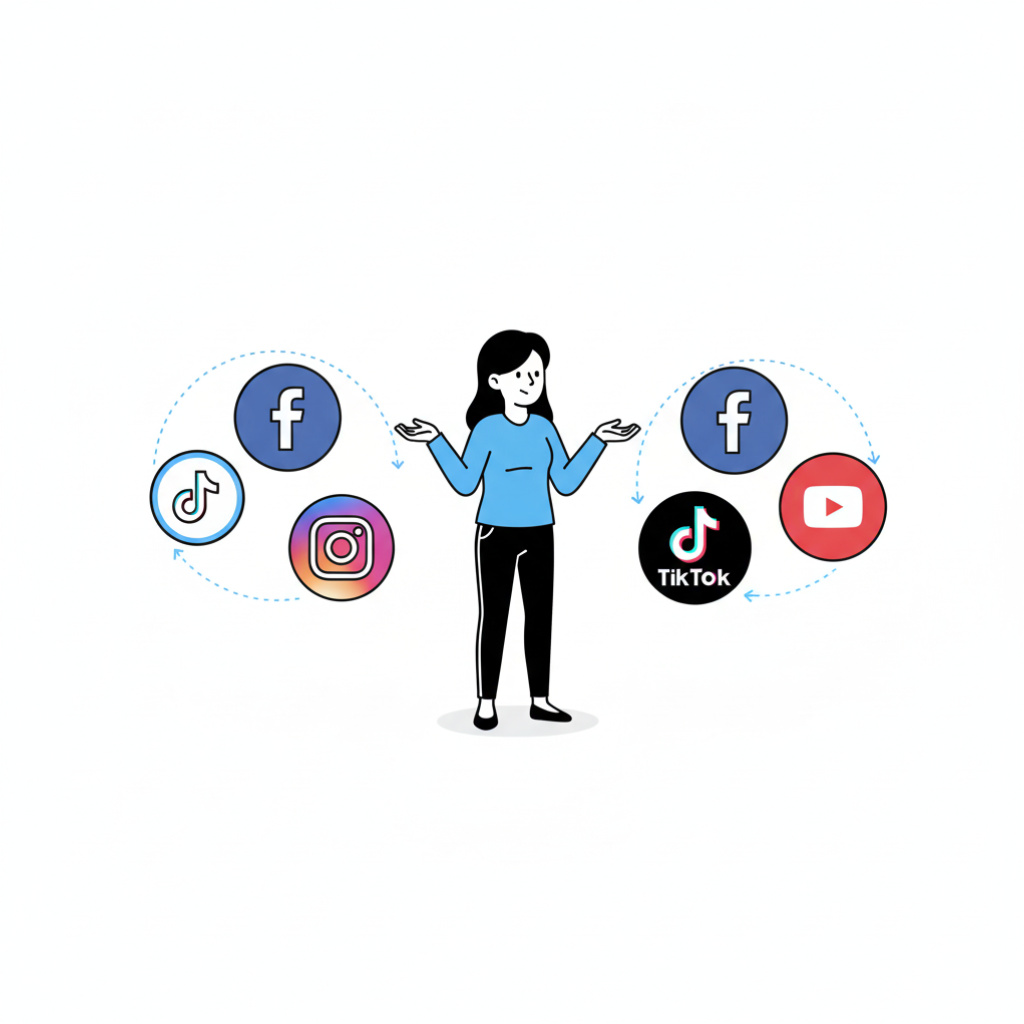
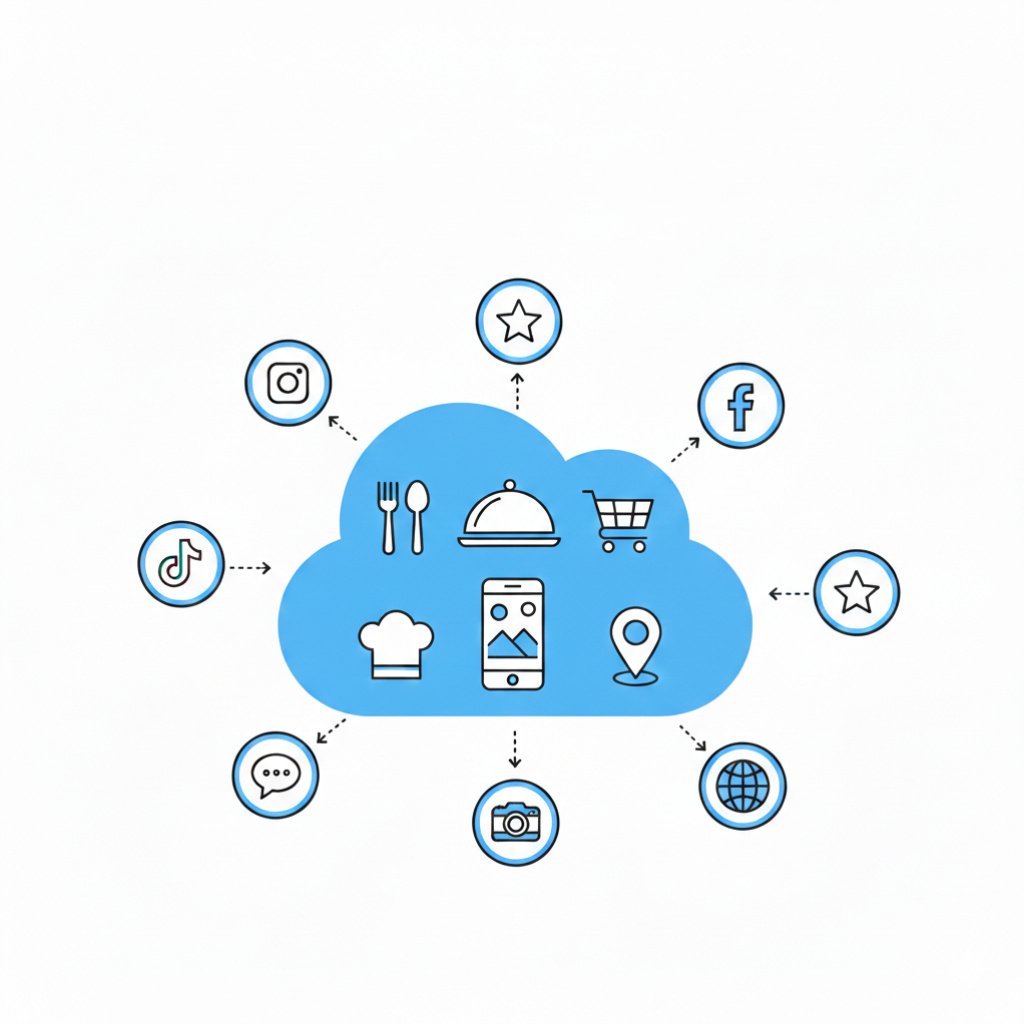
Not every restaurant needs every platform. What matters is where your guests already pause.
Instagram remains dominant for restaurants because it blends visuals, stories, and discovery naturally. People expect to see food there. They save posts. They send them to friends. That behavior aligns perfectly with dining decisions.
TikTok works when a restaurant has movement — open kitchens, plating moments, staff personalities, reactions. It’s less about perfection and more about rhythm. A simple behind-the-scenes clip can travel far if it feels real.
Facebook still matters for local audiences, families, and event-driven restaurants. It’s often where reservations, comments, and updates quietly convert.
Event marketing can act as a complementary platform of its own, especially for restaurants that host tastings, pop-ups, seasonal menus, or community gatherings. Dedicated event platforms such as Eventcube are sometimes used alongside social media to manage registrations, promote experiences, and maintain engagement beyond a single post.
What rarely works is spreading thin. One platform used consistently beats four used occasionally.
What “Good Content” Actually Means for Restaurants
Good restaurant content doesn’t persuade people to come in. It lets them picture themselves already there. The best posts don’t explain why a place is good — they show how it feels in ordinary moments.
Food Shown in Real Life
Dishes land differently when they’re seen in motion. A plate arriving at a table, steam lifting, hands reaching in — this tells a fuller story than any styled close-up. People want to see food being eaten, not displayed.
A commercial slow juicer for restaurants and cafes brings that same live, in-motion appeal to drink service — customers watching fresh juice extracted to order feels just as compelling as watching a dish arrive at the table. Filming that extraction process, from whole produce to glass, gives cafes another authentic moment of food in motion to share alongside their plated dishes.
Atmosphere That Exists Between Shots
Lighting at dusk, chairs scraping softly, a room filling up without announcement. These in-between moments communicate mood faster than captions ever could. They answer the question diners actually ask: What will it feel like when I’m there?
People, Not Roles
Chefs wiping hands on aprons, servers mid-sentence, hosts opening the door. Faces matter more than titles. When people see real expressions, they stop thinking in terms of service and start thinking in terms of comfort.
Daily Rituals That Make Places Run
Prep work, table settings, last checks before doors open, slow cleanup at night. These moments signal care. They show that attention exists even when no one is watching — and that’s reassuring.
Updates That Sound Like Conversation
Sold-out dishes, menu tweaks, early closures, weather changes. When updates are shared plainly, without apology or spin, they build trust. Silence confuses people; honesty keeps them close.
None of this requires special equipment or planning sessions. It requires noticing what already happens — and deciding it’s worth showing.
Timing Beats Frequency Every Time
Posting every day doesn’t guarantee results. Posting when people are deciding does.
Restaurant decisions cluster around specific moments:
- Late morning (lunch planning)
- Late afternoon (dinner planning)
- Weekend mornings (brunch decisions)
- Evenings (saving or sharing for later)
A single well-timed post can outperform a week of scattered updates. Restaurants that pay attention to when engagement spikes, not just how much, tend to grow faster with less effort.
Consistency matters, but consistency doesn’t mean noise.
Stories and Short Video Do More Than Feeds
Feed posts build identity. Stories drive action — and behavior backs that up.
Platform data consistently shows that the majority of Instagram users watch Stories every day, and short-form video now accounts for the largest share of time spent on social apps. That means Stories and reels aren’t just “extra formats”; they’re where attention already lives.
Stories work because they feel temporary and immediate. “We’re busy tonight.” “Fresh batch just came out.” “Only a few tables left.” These aren’t ads — they’re signals. People react to them the same way they react to real-life cues, not marketing messages.
Short video works when it captures movement, not messaging. Steam rising, knives moving, glasses clinking, people laughing in the background. Viewers don’t need narration. They understand instantly.
Restaurants that treat stories and video as documentation instead of performance usually see stronger engagement — because it feels like being there, not being sold to.
Engagement Is Part of Service, Not Marketing
Replying to comments and messages isn’t optional anymore. It’s an extension of hospitality.
When someone asks about allergens, hours, wait times, or reservations and gets a fast, calm response, trust builds. When they’re ignored, doubt creeps in.
Social media managers for restaurants aren’t just marketers — they’re digital hosts. The tone matters as much as the answer.
A simple, warm reply often does more than any promotion.
Promotions Work Best When They Feel Situational
Discounts aren’t the only way to create urgency. Context works better.
Examples that perform well:
- Weather-based specials
- Limited quantities (“only today”)
- Staff picks
- Seasonal moments
- The restaurant’s new custom recipe book
- Unexpected quiet nights
When promotions feel reactive rather than planned months in advance, they feel human. Guests respond because it feels like they’re being invited, not targeted.
User-Generated Content Is Social Proof You Can’t Fake
People trust other guests more than brands. Reposts, tags, and mentions do heavy lifting quietly. And it’s not just a “nice bonus” — consumer review research shows people are increasingly influenced by reviews that include photos or videos, because visuals let them judge the experience for themselves.
Encouraging guests to tag the restaurant — through ambiance, plating, or small prompts — creates a steady stream of content that feels authentic by default. It also matches how people actually choose places now: most diners check more than one source before deciding, and social platforms like Instagram (and even TikTok) have become part of that “proof” loop, not just entertainment.
The key is not to over-curate. Imperfect photos often work better because they feel like evidence, not marketing.
Local Reach Beats Viral Reach for Restaurants
A viral video from the other side of the country doesn’t fill tables.
Location-aware hashtags, geotags, local collaborations, and community moments matter far more than chasing trends. A restaurant known within a five-mile radius will outperform one with distant attention and empty seats.
Social media success for restaurants is measured in reservations, not views.
Measuring What Actually Matters
Follower numbers are easy to notice, but they rarely tell you whether people are actually coming in. What matters more is quieter behavior — saves, shares, replies to stories, direct messages, and the way the same names keep showing up in your notifications.
When someone mentions your post while making a reservation, that’s a real signal, not a metric. Restaurants that pay attention to these small patterns usually adjust faster and spend less time chasing things that don’t move the room.
Common Mistakes That Quietly Hurt Restaurants
Some patterns consistently weaken results:
- Posting only polished food photos
- Ignoring comments and messages
- Copying trends without adapting them
- Posting randomly without timing awareness
- Trying to sound like a brand instead of a place
The fix is rarely more content. It’s a better observation.
When Social Media Starts Working
Social media works for restaurants when it stops feeling like marketing and starts feeling like presence.
When people can imagine themselves there. When updates feel timely. When replies feel human. When the feed reflects real life inside the space.
At that point, social media stops being a task and starts becoming what it was always meant to be — a conversation that leads to a table.
And for restaurants, that’s the only metric that truly matters.